Online Betting Age Limit in India – 18+ Rules Explained
A 17-year-old in Pune used his older brother’s Aadhaar card to register on a betting site, placed a few bets during IPL, and won ₹4,000. Sounds harmless, right? But when he tried to withdraw, the platform flagged the KYC mismatch, froze his account, and kept the winnings. His brother nearly got blacklisted from the platform entirely.
This isn’t a rare story. It plays out every IPL season across India – mostly because people don’t actually know what the online betting age limit in India is, why it exists, and what platforms do to enforce it.
The short answer: 18 is the minimum age for online betting in India on most platforms, and the rules around it are enforced more seriously than most beginners expect. Age verification isn’t a formality – it determines whether your withdrawals go through, whether your account stays active, and in some states, whether you’re legally protected at all.
This article covers the age rules in detail, how KYC enforcement actually works, what happens if you bypass it, and the state-level variations that change the picture depending on where you live.
What Is the Online Betting Age Limit in India?
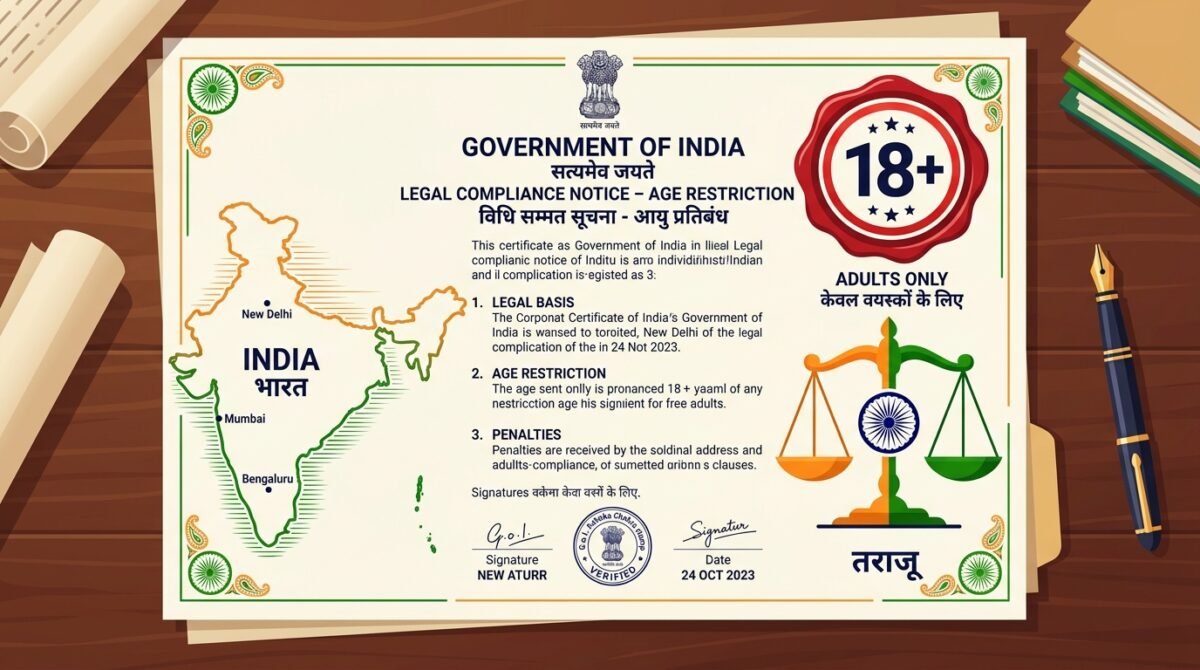
The online betting age limit in India is 18 years. This applies to virtually every licensed and offshore betting platform that accepts Indian players – whether you’re betting on IPL, playing Teen Patti, or spinning slots.
This isn’t an arbitrary number. It mirrors India’s broader legal framework around contracts and financial transactions. Under the Indian Contract Act, 1872, a person must be 18 or older to enter into a legally enforceable contract. A betting account – with deposits, withdrawals, and platform terms – is effectively a contract. Below 18, you can’t legally be a party to it.
Now here’s where it gets interesting: India doesn’t have a single national gambling law. The Public Gambling Act of 1867 governs physical gambling, but online betting lives in a grayer legal space. Most states have not explicitly legislated online betting, which means offshore platforms operate in a largely unregulated environment. But the 18+ age requirement is one rule that virtually every platform enforces regardless – partly because it’s aligned with Indian financial and contract law, and partly because international gaming compliance standards require it.
A few states have their own rules. Goa, Sikkim, and Meghalaya have specific state-level gaming legislation that sets licensing frameworks for casinos and online games – but even here, 18 is the baseline minimum age. Sikkim’s online gaming regulations, for instance, explicitly require players to be adults.
If you want to understand the wider legal framework before you start, the complete guide to online betting legality in India breaks down the state-by-state picture in plain language.
How Platforms Actually Verify Your Age – KYC Explained
Most people assume age verification on betting sites is a checkbox – you tick “I confirm I am 18+” and move on. That’s the first step, but it’s not the only one.
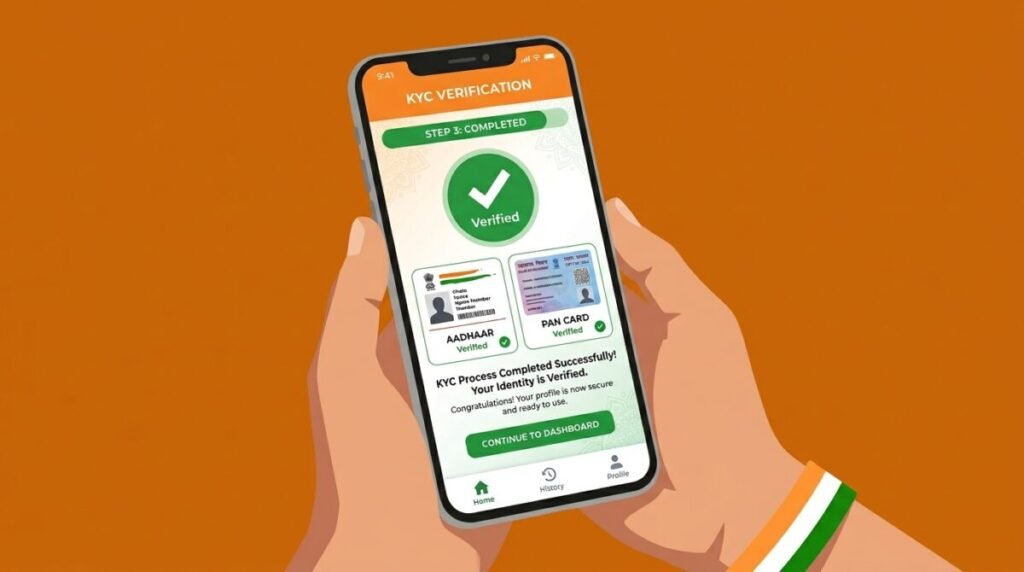
Reputable platforms – both Indian-licensed and offshore ones that accept Indian players – require a process called KYC: Know Your Customer. This isn’t optional. It’s triggered the moment you try to make a withdrawal, and on some platforms, it kicks in before your first deposit even processes.
Documents Typically Required for KYC
- Aadhaar card – the most commonly used identity proof, since it contains your date of birth and is linked to your phone number via OTP verification
- PAN card – required for financial transactions above ₹10,000 on many platforms, and cross-referenced with income tax records
- Passport or Voter ID – accepted as alternative identity proof on most platforms
- Bank account details or UPI ID – for withdrawal processing, which also serves as an indirect age check since bank accounts and UPI IDs are linked to Aadhaar
The practical implication: the phone number and UPI ID you use to register are often Aadhaar-linked. If the age on your Aadhaar doesn’t match the birth date you provided during registration, the KYC review will catch it.
How Long KYC Takes
Most platforms complete basic KYC within 24-48 hours for straightforward cases. If documents are unclear or there’s a data mismatch, it can go to manual review and take 3-5 days. During this period, deposits may work but withdrawals are blocked.
Tip: upload clear, high-resolution photos of your documents from the start. Blurry uploads are the single biggest cause of KYC delays on betting platforms.
What Happens If You Register Underage or Use Someone Else’s ID
This is the part most people don’t think through – until it’s too late.
If you’re underage and use a parent’s, sibling’s, or friend’s ID to register, here’s what the timeline typically looks like:
Step 1 – Registration: Works fine. No immediate check.
Step 2 – Betting: Also works. Platforms don’t stop you from placing bets once you’re registered.
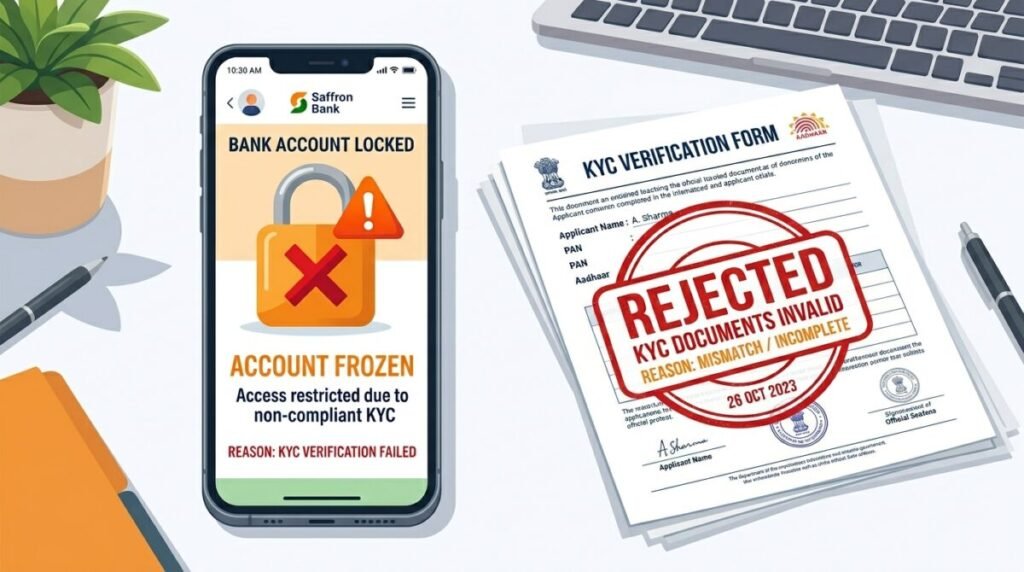
Step 3 – Withdrawal attempt: This is where the KYC wall hits. The platform verifies your identity. The documents you submit don’t match the registration data, or the account holder’s face doesn’t match – and the review flags it.
Step 4 – Account freeze: The platform freezes both deposits and winnings pending investigation. In many cases, the funds are confiscated in line with the platform’s terms of service, which every user agrees to at registration.
Step 5 – Account ban: The account is permanently banned. On some platforms, the associated phone number, device fingerprint, and UPI ID are all blocked – meaning even creating a new account later becomes difficult.
The person whose ID was used also faces consequences. Their account may be flagged for suspicious activity, and in cases where significant money is involved, some platforms escalate to fraud prevention teams.
Let’s be honest: no amount of early winnings is worth that outcome. And the winnings themselves – legally – belong to the platform in this scenario, since the contract was void from the start.
The same logic applies to responsible play generally. If you’re of legal age but struggling with limits, responsible gambling guidelines for Indian bettors covers how to set deposit caps, session limits, and cooling-off periods.
State-Level Variations – Where the Rules Differ
India’s gambling law is a patchwork, and your state matters more than most people realize.
| State | Online Betting Status | Minimum Age | Notes |
|---|---|---|---|
| Goa | Casinos licensed (physical) | 21 for casinos | Online betting not explicitly regulated |
| Sikkim | Online gaming licensed | 18 | Sikkim Online Gaming (Regulation) Act in place |
| Meghalaya | Online skill games licensed | 18 | Meghalaya Amusements and Betting Tax Act |
| Telangana | Banned (online card games) | N/A | Includes rummy and poker online |
| Andhra Pradesh | Banned | N/A | Strong restrictions on online gaming |
| Tamil Nadu | Restricted | 18 | Online gambling bill passed 2021, overturned by court |
| Most other states | Grey area | 18 (platform-enforced) | No explicit state law; offshore platforms operate freely |
A few things stand out here. Goa – famous for its physical casinos – actually sets 21 as the minimum age for casino entry, which is higher than the 18 standard on online platforms. If you’re in Goa and playing online, the 18 rule from the platform still applies, but be aware the physical casino floor has a different rule.
Telangana and Andhra Pradesh are the most restrictive states for online gaming. Residents in these states who use VPNs to access betting platforms add a layer of legal risk beyond just the age question – the activity itself is prohibited under state law.
For a full breakdown of how this affects your specific situation, the online betting legal guide for India covers state-by-state status in detail.
Why the 18+ Rule Exists and Why It’s Taken Seriously
The 18+ minimum isn’t just a legal formality – it exists for real reasons, and understanding them makes it easier to respect it.
Financial Protection
Minors don’t have independent income. Gambling losses from a minor’s betting activity typically come from family finances – whether through borrowing, stealing, or using family UPI accounts. The age limit is partly designed to ensure that the person betting has financial independence and understands the consequences of loss.
Legal Capacity
As mentioned earlier, contracts require legal capacity. If a minor places a bet and loses, they technically have no contractual obligation to honor the loss. But they also have no right to claim winnings. The whole transaction exists in legal limbo – which is why platforms take the age rule seriously. It protects them from liability as much as it protects the minor.
Psychological Development
There’s genuine research behind why 18 is the threshold. Adolescent brains are still developing the prefrontal cortex – the part responsible for risk assessment, impulse control, and long-term thinking. Gambling involves all three. Exposing younger minds to real-money betting before that development is complete creates statistically higher rates of problem gambling behavior later.
Think of it this way: the same reason you can’t get a credit card at 16 applies here. Financial risk products require a baseline of adult judgment.
How to Register Correctly as an 18+ Bettor
If you’re 18 or older and ready to create a legitimate account, the process is straightforward – but doing it correctly from the start saves you headaches later.
Step 1 – Have your documents ready before you start
Don’t wait until the withdrawal stage. Have a clear photo of your Aadhaar card or PAN card on your phone before you even visit the registration page. The front and back of the Aadhaar are both typically required.
Step 2 – Use your own phone number and UPI ID
Your registered phone number should be the one linked to your Aadhaar. Using a second SIM or a family member’s number creates a mismatch that trips KYC later. The same applies to your UPI ID – use one that’s linked to a bank account in your own name.
Step 3 – Enter your date of birth accurately
It sounds obvious, but date of birth errors are one of the most common causes of KYC failure. The date you enter must exactly match what’s on your Aadhaar card, including the format.
Step 4 – Complete KYC before your first withdrawal attempt
Don’t wait until you have winnings you want to cash out. Complete the KYC verification proactively after registration. Most platforms let you submit documents independently of any transaction.
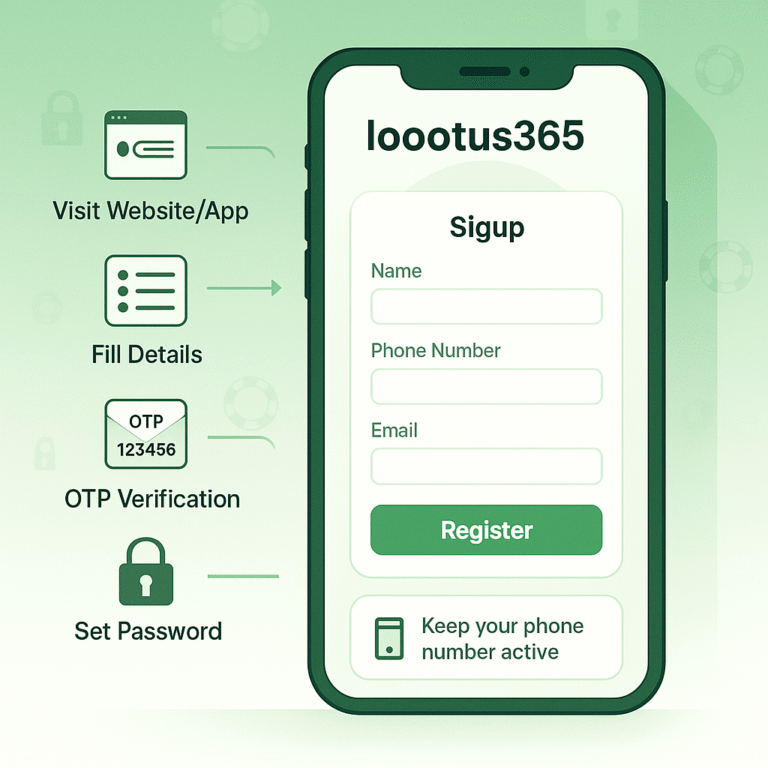
On Lotus365, the registration process is straightforward – and KYC verification is processed quickly so you’re not left waiting when it matters. You can also manage everything through the Lotus365 app on your phone.
Once you’re set up and verified, pairing smart account management with good betting habits makes a real difference. How to manage your betting budget in India is a practical read for getting your financial limits sorted from day one.
FAQs
The Age Rule Is There for Good Reason
The online betting age limit in India – 18 and above – isn’t a bureaucratic hurdle. It’s a legal and practical boundary that protects both the platform and the player. KYC enforcement is real, consequences for bypassing it are serious, and state-level rules add another layer depending on where you live.
If you’re 18 or older and want to start betting responsibly, the process is simple when done correctly. Register on Lotus365 with your legitimate documents, complete KYC from the start, and you’ll have a clean, functional account with no surprises at withdrawal time. Or grab the Lotus365 app and get set up in minutes.