How Weather Affects Cricket Betting Odds
Football gets played in the rain. Tennis gets briefly delayed. But cricket? A 50-over match can be entirely abandoned. A Test match can go five days and produce no result because of overcast skies and a wet outfield.
No other mainstream sport is this vulnerable to weather – which is exactly why it matters so much for betting.
Here’s the thing: sportsbooks set odds based on expected match conditions. The moment those conditions change – cloud cover rolls in, a thunderstorm delays play, or morning dew makes the pitch slippery – the odds shift. Sometimes dramatically.
Think about how Indian conditions specifically vary. Eden Gardens in Kolkata during the IPL can face sudden pre-monsoon showers. Chepauk in Chennai during February-March gets morning dew that makes the ball skid. Dharamsala’s high altitude means ball movement is significantly different on a clear sunny day versus an overcast one.
These aren’t abstract variables. They affect which team bowls first, how the ball swings, how much grip spinners get, and how many overs actually get bowled. If you’re betting on cricket without factoring weather in, you’re missing a piece of the puzzle that the bookmakers are definitely not missing.
How Rain and Interruptions Directly Shift Betting Odds
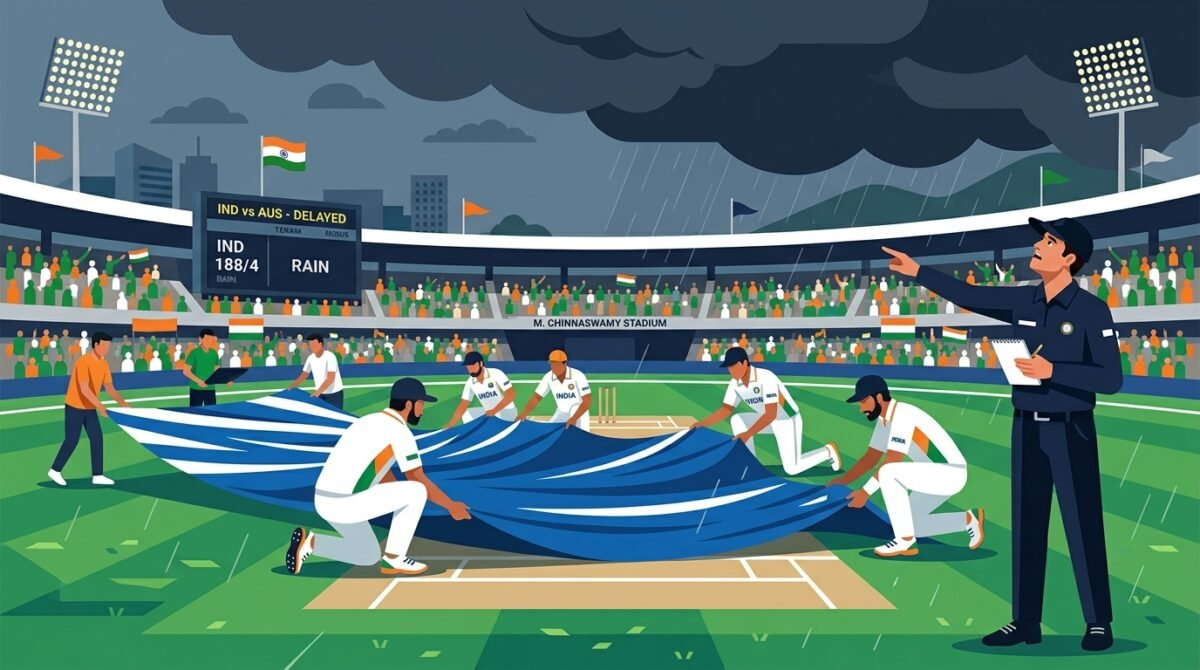
Rain is the biggest weather disruptor in cricket betting. The moment there’s a realistic chance of rain, oddsmakers start adjusting – and this is where you can find real value if you’re paying attention.
Pre-Match Odds vs. In-Play Odds
Before a match, if weather forecasts show a 70% chance of rain during the second innings, the team batting first suddenly becomes slightly more valuable to back. Why? Because if rain interrupts the second innings, the Duckworth-Lewis-Stern (DLS) method kicks in, and matches interrupted early in an innings often produce results that favour the team that already batted.
This causes a genuine shift in cricket betting odds – sometimes you’ll see a team’s win probability swing 10-15% purely based on updated weather forecasts.
In-Play Betting During Rain Delays
Rain delays are a goldmine for in-play bettors – if you know what you’re looking for. During a stoppage, odds can become slightly erratic as bookmakers account for reduced overs, DLS targets, and uncertainty. An example: if Team A needs 80 runs off 12 overs and rain interrupts, when play resumes with 8 overs remaining, the DLS target might come down to 65 – which is actually easier to chase. The odds often don’t adjust fast enough to capture this.
For a broader framework on using live situations smartly, top cricket betting strategies for matches covers in-play tactics in more detail.
Pitch Conditions and How Weather Changes the Playing Surface
The pitch is where weather’s impact becomes most visible – and most bettable.
Overcast Skies and Swing Bowling
Ask any Indian cricket fan: when the sky is grey and cloudy, seamers run riot. Overcast conditions create atmospheric pressure that causes the ball to swing more – sometimes dramatically. This is why in English and South African conditions, teams that win the toss almost always bowl first under clouds.
In Indian conditions it’s less extreme but still noticeable. During the 2023 World Cup at Ahmedabad and Pune, India’s pace bowlers got more movement on cloudy days than on the blazing sunny ones.
Morning Dew and Evening Conditions
In day-night matches, dew is a massive factor. As temperature drops in the evening, moisture settles on the outfield and the ball. This makes it harder for spinners to grip and easier for batters to hit. Teams chasing often benefit from dew – which is why, in Indian conditions, winning the toss and bowling first in a T20 is frequently the preferred choice.
Dry Heat and Spin-Friendly Tracks
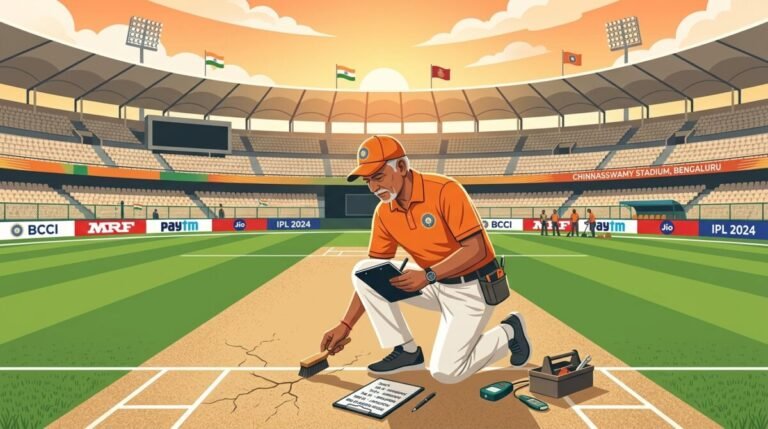
Extended dry heat – like what you see in Rajasthan or Gujarat in April-May – bakes the pitch and creates turn. This is spin bowler territory. If you’re betting on top wicket-taker or bowling performance markets, a cracked, dry pitch on Day 3 of a Test changes everything.
| Condition | Surface Effect | Batting/Bowling Advantage |
|---|---|---|
| Overcast/Humid | Ball swings, seam moves | Fast bowlers |
| Morning Dew (Day-Night) | Slippery ball, wet outfield | Batters (chasing team) |
| Dry Heat, No Rain | Pitch cracks, dry turn | Spin bowlers |
| Recent Heavy Rain | Soft, green pitch | Fast bowlers, short match likely |
| Sunny, Hard Pitch | True bounce, consistent | Batters |
The DLS Method – Understanding What It Means for Your Bet
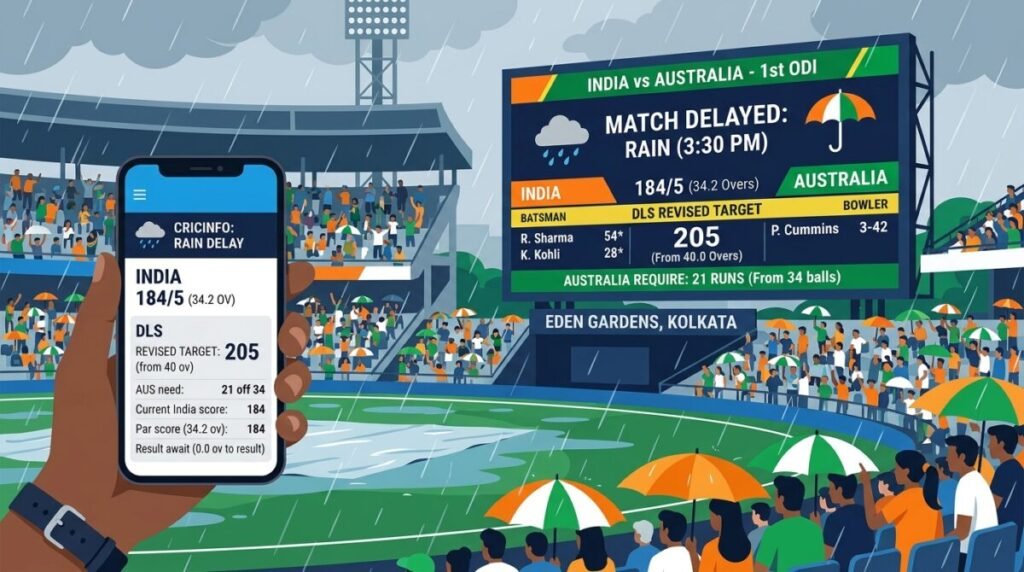
If you’ve ever placed a bet on a match that got interrupted by rain and ended up confused about who won or lost – DLS is why.
The Duckworth-Lewis-Stern method is the mathematical formula cricket uses to set revised targets when overs are lost to weather. It sounds complicated, and the actual maths is, but the core idea is straightforward: it calculates what a team needs to win based on how many overs and wickets they have remaining.
Here’s why it matters for betting:
Scenario: Team B is chasing 280 off 50 overs. At 30 overs, they’re 150/2 – on track. Rain comes. Play resumes with 10 overs left. DLS sets a revised target of 190 off 10 overs.
That target is significantly harder than what DLS gives in other interruption scenarios. Now the odds on Team B winning shift sharply. If you’re watching live and understand DLS mechanics, you can sometimes spot odds that haven’t caught up with the reality of the revised chase.
The most important thing to know: DLS tends to favour teams that have wickets in hand when rain hits. A team that’s 150/2 is in a better DLS position than a team that’s 150/6, even at the same score.
If you’re using a platform with live betting, understanding DLS can genuinely give you an edge in the moments right after play resumes. Check out how to choose the best betting app in India to find platforms that update odds quickly during interruptions.
Wind, Heat, and Humidity – The Overlooked Factors
Rain gets all the attention, but the quieter weather variables are worth tracking too.
Wind Direction and Speed
Strong crosswinds affect the ball’s flight – particularly for pace bowlers who rely on line and length. At venues like Mohali or Dharamsala, stadium geography means wind can be very directional. Some bowlers thrive in these conditions; others struggle. Backing a specific bowler for top wicket-taker when wind conditions don’t suit their style is a mistake many bettors make.
In Test cricket, wind also affects the drying of a wet pitch. High wind speeds mean the ground can recover faster, potentially allowing play to resume sooner than expected – which affects session betting markets.
Extreme Heat
India plays plenty of cricket in brutal afternoon heat – IPL matches in May can see ground temperatures above 45°C. This affects player endurance, fielding energy, and the pace at which spinners can grip the ball. In general, batting gets harder in extreme heat by the final overs of an innings.
Tip: if you’re betting on total runs markets, consider that afternoon heat in a T20 can suppress scoring in the 35-45 over range of a 50-over match as fielders tire and the ball goes soft.
Humidity and Reverse Swing
High humidity keeps the ball’s lacquer intact longer – this can delay reverse swing (where an old, worn ball moves in the opposite direction to conventional swing). In low humidity, dry conditions, the ball roughens faster, and reverse swing can arrive as early as the 25th over. Knowing this matters if you’re betting on bowling performance markets in ODIs.
How to Check Weather Before Placing a Cricket Bet
Knowing that weather matters is one thing. Having a practical system to actually check and use it is another.
Tools Worth Bookmarking
- Windy.com – gives hourly wind speed and direction, radar, and cloud cover. More granular than standard weather apps.
- AccuWeather / Weather.com – both offer minute-by-minute precipitation forecasts, helpful for live betting during delays.
- Cricbuzz and ESPNcricinfo – both have weather sections embedded in match pages. During live matches, Cricbuzz especially updates conditions quickly.
When to Check
Check weather the evening before a match to understand baseline forecasts. Then check again 1-2 hours before for updated radar. Rain forecasts beyond 24 hours are often unreliable, so closer to match time is always more accurate.
Matching Weather to Your Bet Type
Not every bet is equally affected by weather. Here’s a rough guide:
- Match winner – highly affected by rain interruptions and pitch conditions
- Top batsman / top bowler – affected by pitch and atmospheric conditions
- Total runs – affected by heat, pitch type, and potential over reductions
- Method of dismissal markets – affected by swing conditions (caught behind, caught at slip more likely in overcast conditions)
Pairing good weather research with smart bankroll habits – like knowing how to manage your betting budget effectively – is how you turn information into consistent decisions rather than lucky guesses.
If you’re new to placing bets on cricket, Lotus365 offers a clean interface with live odds that update throughout matches. You can create an account in minutes, or grab the Lotus365 app to track live weather and odds on the go.
As always, keep responsible gambling principles front of mind – weather research improves decisions, but no forecast is 100% accurate.